
60
Pilot SEATS
Is "Kratom" an Opioid?
The science of how Mitragyna Speciosa interacts with your brain’s chemistry.
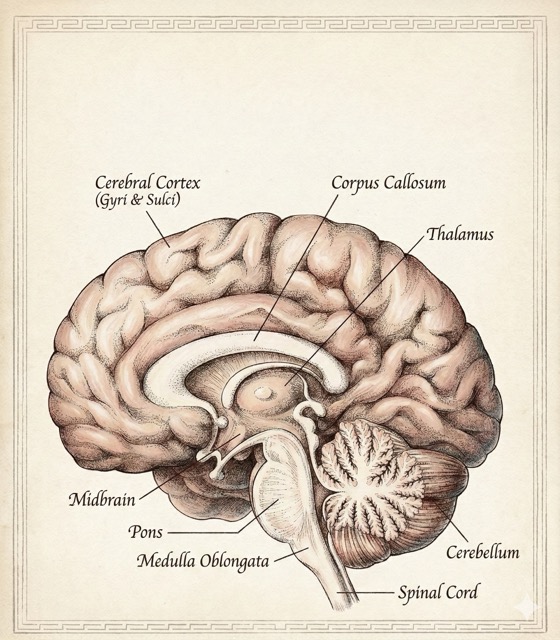
The Pharmacology
How Kratom Affects The Brain
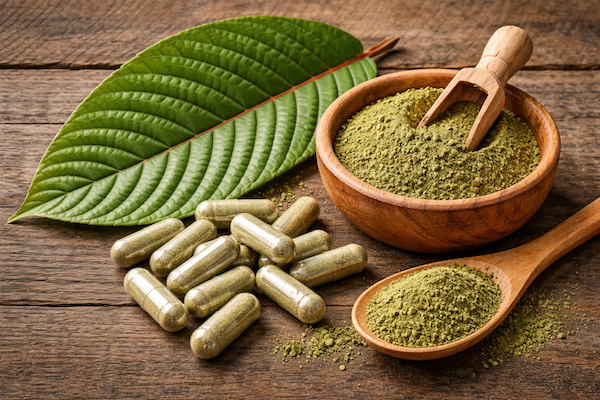
While often marketed as a harmless herbal supplement, the science of Kratom is complex. The plant’s leaves contain over 40 active alkaloids, but the two most dominant are Mitragynine and 7-Hydroxymitragynine (7-OH).
These compounds act as opioid receptor agonists with sedative and stimulant properties.
- The Mechanism: Just like morphine, oxycodone, or fentanyl, the active compounds in Kratom bind to the mu-opioid receptors in the brain.
- The ‘Key and Lock’: If your brain’s opioid receptors are the “lock,” Kratom’s alkaloids are a “key” that turns that lock, triggering neurochemical changes that reduce pain and create euphoria.
- 7-OH Potency: Recent FDA analysis indicates that 7-hydroxymitragynine (7-OH) is a potent opioid that can be stronger than morphine.
The FDA's Position
What Does The FDA Say?
The U.S. Food and Drug Administration (FDA) has analyzed Kratom at the molecular level. Their findings are definitive regarding its biological function.
“As the scientific data and adverse event reports clearly revealed, compounds in kratom make it so it isn’t just a plant—it’s an opioid.”
Kratom vs Opioid Withdrawal
Why they feel the same
Kratom acts on the same receptors as traditional opioids, stopping its use triggers a similar physical dependency cycle. When the brain becomes accustomed to the presence of Mitragynine or 7-OH, removing it causes the system to become unbalanced.
Shared Opioid & Kratom Detox Symptoms:
and anxiety
disturbance
and bone pain
vomiting
cravings
Medical Management
Finding Relief
Kratom’s mechanism of action is similar to opioids because it also binds to the mu-opioid receptor. Medical providers treat Kratom withdrawal using the same evidence-based protocols used for other opioid use disorders.
Non-Pharmacological Relief
New FDA-cleared technologies designed to treat opioid withdrawal work by stabilizing the specific neurochemicals (like endorphins) that are disrupted during this process. By targeting the root cause of the withdrawal symptoms—the opioid receptor imbalance—these therapies can offer relief without introducing new medications.

*The NET Device is a transcutaneous alternating current stimulator (tACS) that is intended to be used in patients experiencing opioid withdrawal in conjunction with standard symptomatic medications and other therapies for opioid withdrawal symptoms under the supervision of trained clinical personnel.
NET Recovery Corp provides medical management of opioid withdrawal symptoms using FDA-cleared neurostimulation technology. The information provided on this page is for educational purposes regarding the pharmacology of Mitragyna speciosa and is based on public statements by the FDA. NET Recovery does not claim its device is specifically cleared for “kratom,” but rather for the treatment of opioid withdrawal, which may result from the use of opioid-acting substances.